
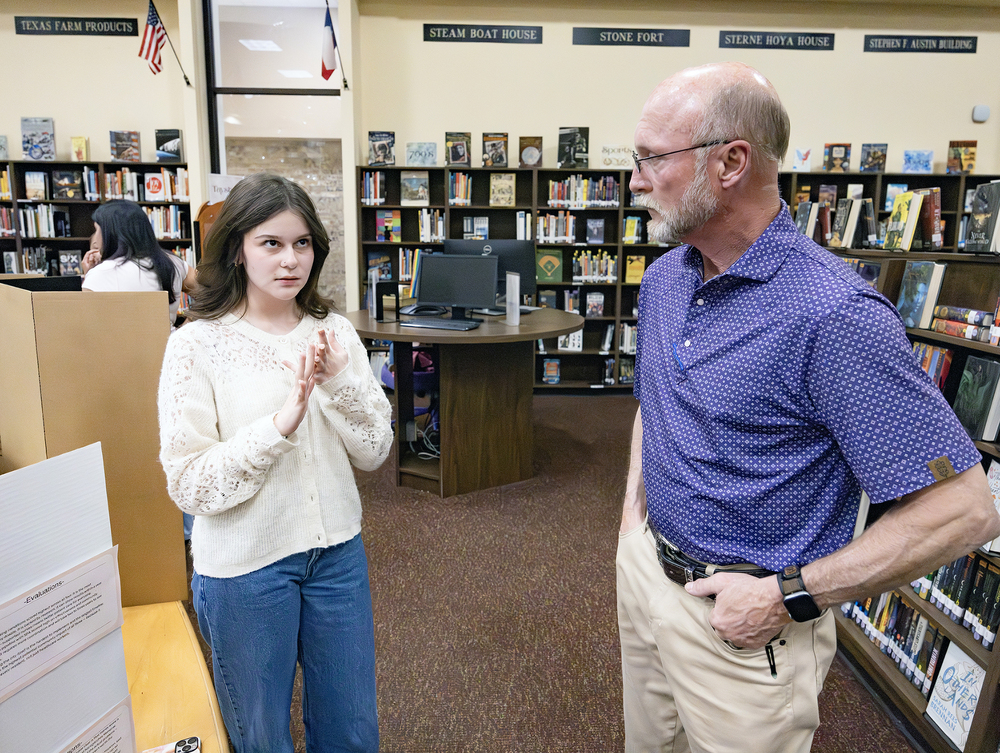
Students taking senior-level dual credit courses with Kristin Thomas at Nacogdoches High School have prepared and presented research projects in previous years. Now, for the second spring semester in a row, the students have displayed their projects for the public.
The projects cover a range of topics within Nacogdoches ISD and in the greater community.
On April 8, 30 students set up their projects in the NHS library and spent roughly two hours explaining their thoughts and answering questions.
Topics run the gamut. Many are connected to NHS and the school district while others are related to issues in the greater Nacogdoches community.
Thomas does require students to localize their projects, making sure the problems that are identified and scrutinized can be remedied here in Nacogdoches.
Executive summaries of each project:
Strengthening Student Engagement in the Classroom at Nacogdoches High School – Ella Ainsworth
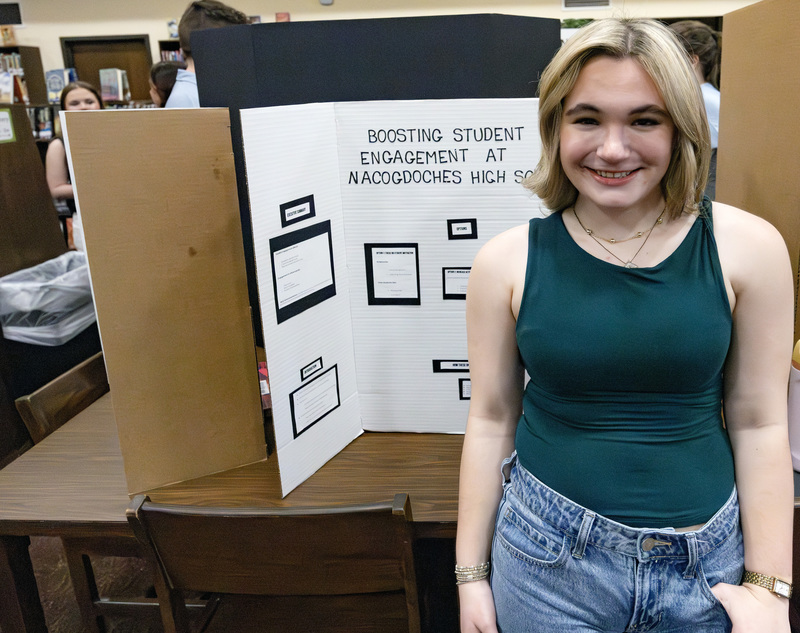
This report examined the correlation between class time and how this not only impacts the academic performance and student engagement in the classroom of students at Nacogdoches High School (NHS), but also how this affects teacher-student relationships which have been shown to have an impact on student performance. I have studied information about length of classroom time but also the impact of student-teacher relationships in the classroom. Along with this accounting for teachers' opinions at NHS about how prepared they feel they feel given class length time and outside training about classroom management.
I recommend that teachers have more access to training programs to help them feel better equipped to manage classrooms, especially when it comes to either first-year teaching or the first year teaching a subject.
Improving Voter Participation in Our Local Community – Owen Allen
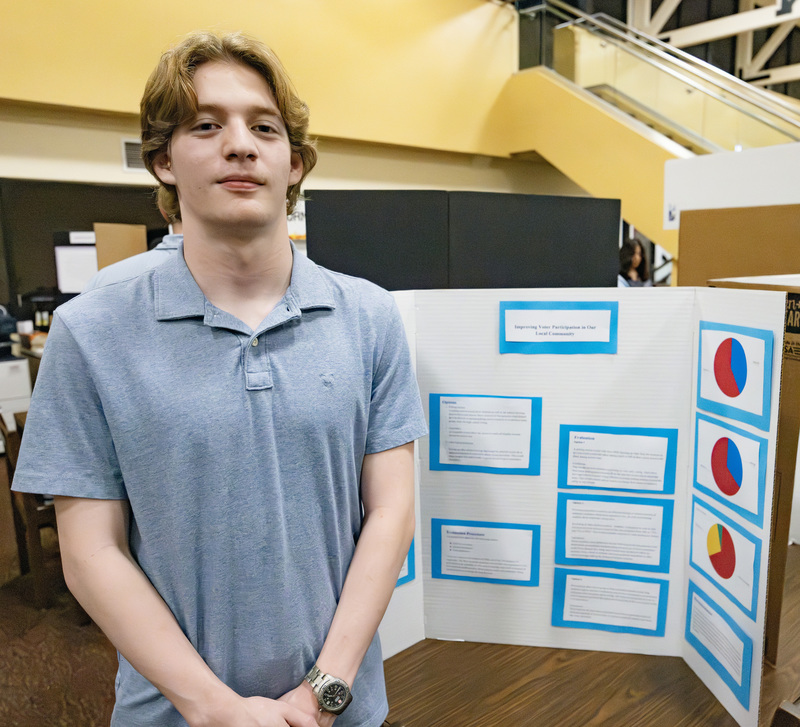
Texas ranks in the bottom 10 states for voter turnout at 57% of eligible voters, with low participation driven by lack of outreach, poor candidate awareness, and disparities in race, income, and education. Nacogdoches County faces additional barriers due to high poverty levels, making accessible voter registration especially important.Three options were considered to boost student participation at Nacogdoches High School: an on-campus polling station, school-wide assemblies, and a voluntary after-school program. Each was evaluated on NHS involvement, student preference, and time commitment.The recommendation is a combination of options 1 and 3 an on-site polling station paired with a voluntary after-school group. This approach makes voting convenient while allowing interested students to engage meaningfully without feeling coerced, avoiding the risk that mandatory assemblies could backfire and discourage participation.
Why We Need To Implement Active In-School Tutoring Groups For AP & Dual Credit – Bridget Autrey
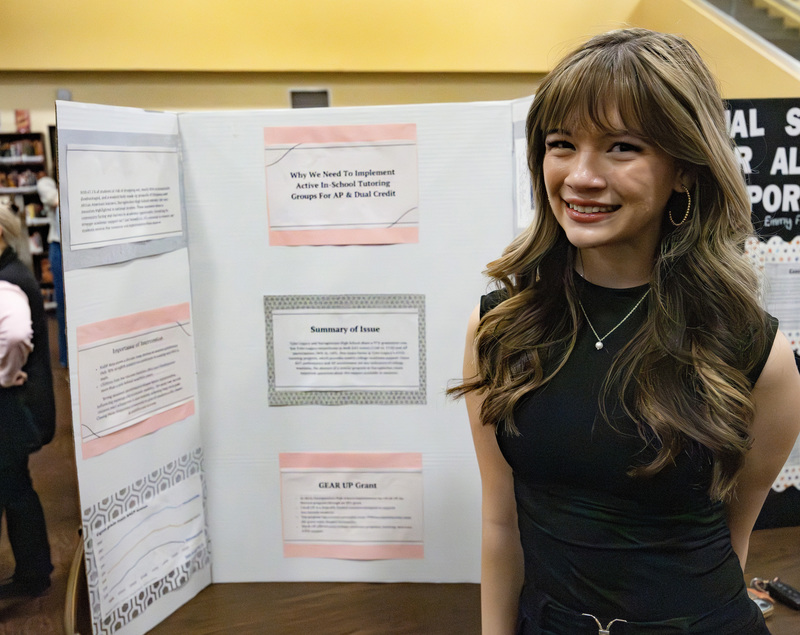
I took academic statistics of Tyler Legacy High School and compared them to Nacogdoches High School including graduation rates, AP involvement and average SAT scores. While Tyler Legacy and Nacogdoches both have 97% graduation rate, Tyler beats us in SAT with 1160 to 1130, and especially in AP involvement with 36% to 14%. A significant difference I found was that Tyler Legacy has a set tutoring program known as AVID which offers weekly tutorials specifically to prepare students for 4-year college readiness. With both the SAT and AP involvement being high factors in college readiness, this leads me to question why we don’t offer the same support. (Advancement via Individual Determination (AVID) Center, n.d.)
Web Browsing Restrictions at Nacogdoches High School: A Feasibility Report – Ian Barugh
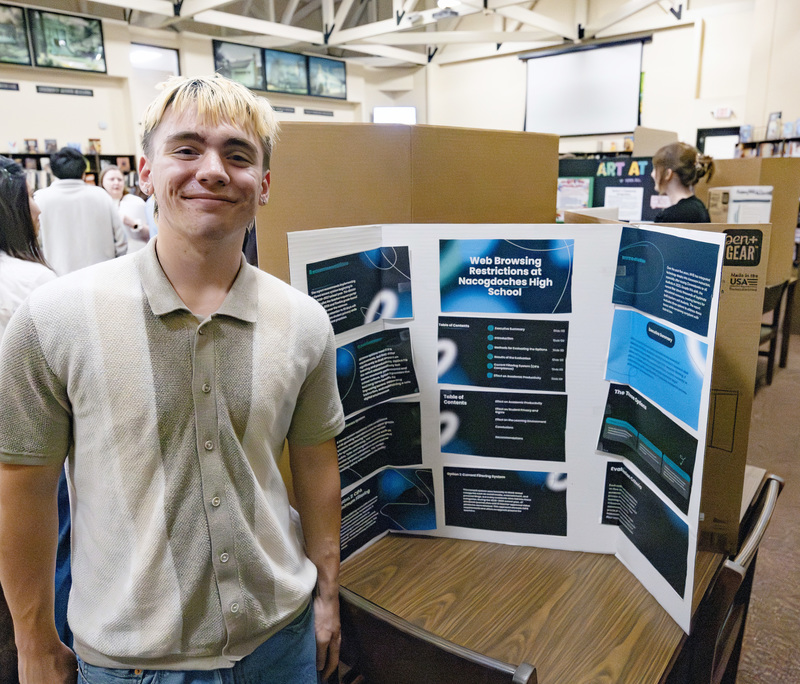
The practicality of keeping the current filtering of the Internet access based on the requirements of the Children’s Internet Protection Act (CIPA), allowing only a minimum level of filtering that complies with CIPA, and of creating a tiered access system was reviewed as a solution to the restrictions on web browsing by the students at Nacogdoches High School (NHS). Students and teachers cannot visit many websites, which are required during research studies and when completing assignments, due to the current filtering system at NHS. Legally, the district will be compliant but the academic experience will be enhanced in a significant way using a tiered access system.
The Nacogdoches Independent School District (NISD) is required by the federal Children’s Internet Protection Act (CIPA) to filter content on the internet. However, this does not necessarily mandate the levels of restrictions under which the current internet policies operate. Many Texas-based peer districts also mitigate CIPA by having tiered access to filters (many academic resources are preserved). The levels may also allow teachers to request access to particular sites and allow more access for upper-level students.
I recommend that by the start of the 2026–2027 school year, there is a tiered system of web access in place at the NHS to strike a balance between the legal requirements and academic liberty.
Broken Roads, Broken Budgets: The Financial Impact of Road Damage on Drivers – Sha'nae Butler
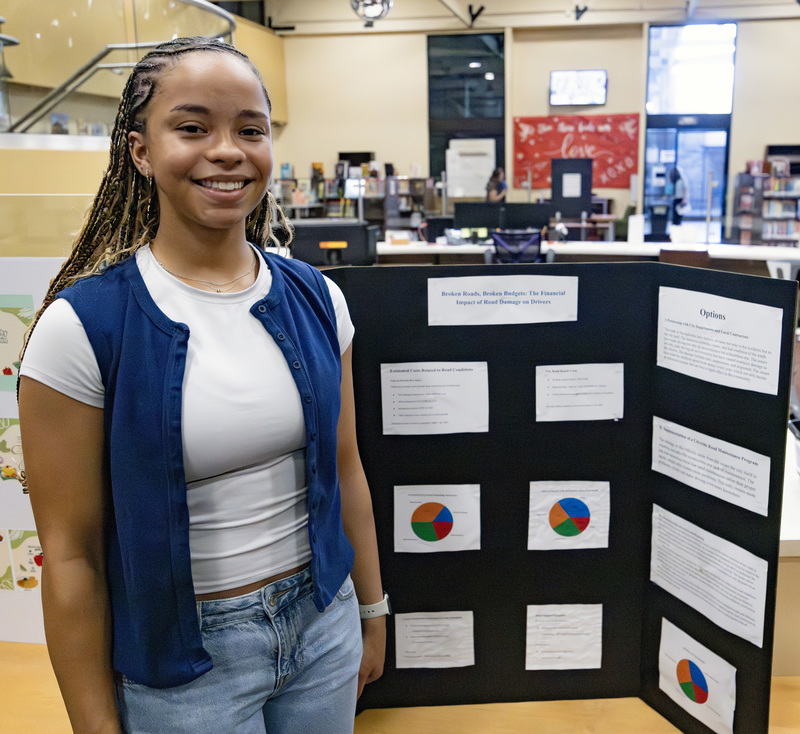
The road conditions in Nacogdoches have worsened over the years, and the presence of potholes and cracks on the road is causing damage to vehicles and posing a threat to road safety. This report will examine the problem of road conditions from three different viewpoints: the effects of road conditions on the citizens of Nacogdoches, the economic implications of road conditions on the citizens of Nacogdoches, and the benefits of road repair for the citizens of Nacogdoches. According to studies, investing in road repair will save the citizens and the government a considerable amount of money.
Improving Mental Health Resources for Nacogdoches High School Students – Sherlyn Carrillo
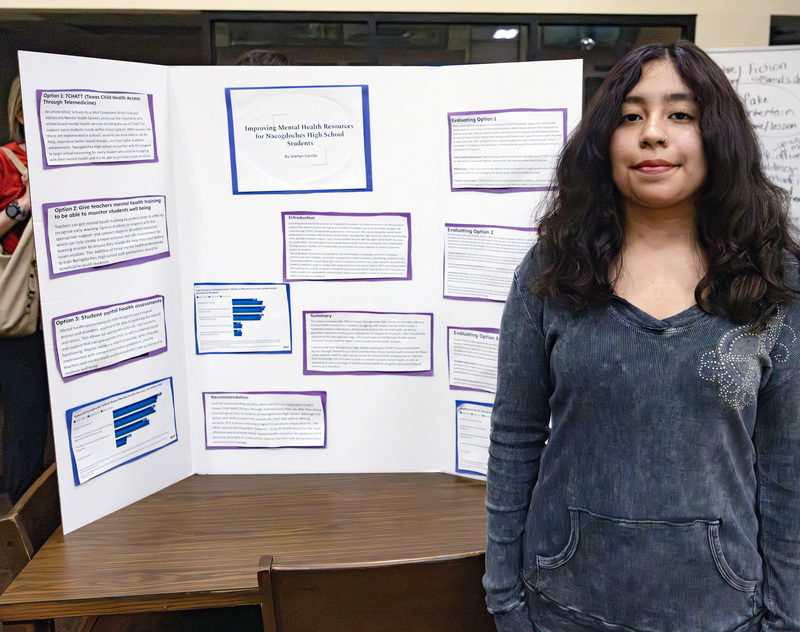
This report evaluates the different ways Nacogdoches High School can provide sufficient mental health resources for students struggling with severe mental health issues. I researched policy implications, school based services for mental health, as well as persistent obstacles involving the implications of support for students. I also included the opinions of the Nacogdoches High School principal and McMichael Middle School counselor on the need for better school-based mental health services.
I recommend that Nacogdoches High School implements TCHATT (Texas Child Health Access Through Telemedicine), which provides free virtual mental health services for Texas public schools, teachers who can be trained by mental health professionals to improve their knowledge and attitudes in order to monitor student mental health, as well as assessments and screenings of student mental health to recognize early psychological distress and disorders.
How To Get Parents and Students More Involved In Their Education/Student’s Education – Paulina Carrillo
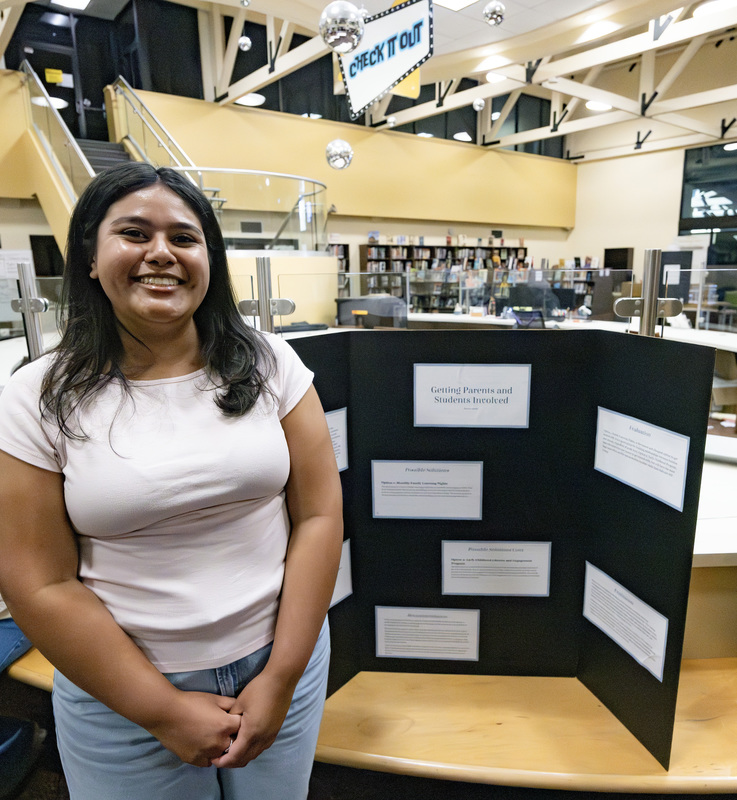
Student and parental engagement in education is declining, and Nacogdoches ISD must address this problem. A study has shown that 74 percent of students in the fifth grade feel connected in their schools, but by the time they get to high school, only one out of three students feel connected (Ferlazzo, 2022). Parents too have stopped attending events in school and engaging in activities at home. This is a problem because research has shown that when parents are involved in their children’s lives, children tend to do better in school and are more motivated (Cavanagh, 2023).
This report will discuss two solutions to solve this problem in NISD: Family Learning Nights and an Early Childhood Literacy Program for families with children in pre-K through second grade. Both solutions will be compared based on their costs, efficiency, time to set up, and language availability. After considering both solutions, this report recommends the Early Childhood Literacy Program as the most viable option to solve this problem in NISD.
Improving Pool Conditions for Student-Athletes: A Comparison of Two Current Models – Grant Copen
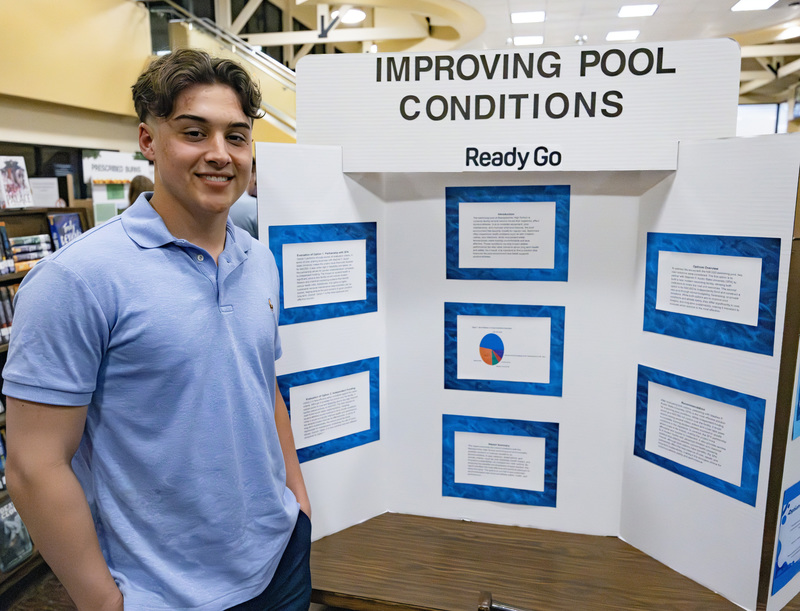
The swimming pool at Nacogdoches High School (NACISD) is currently in poor condition due to outdated infrastructure, improper chemical balance, and insufficient maintenance systems. These issues have created an unsafe environment for student-athletes, leading to a variety of health concerns that directly impact both their well-being and athletic performance. Swimmers frequently experience skin irritation, dryness, rashes, and other dermatological problems that make training uncomfortable and potentially harmful. The NACISD swimming pool also has out-dated pool equipment, causing the pool temperature to vary and force athletes to practice in uncomfortable pool temperatures.
Research strongly supports these concerns. According to Angela Spivey, pool environments can expose swimmers to harmful chemical byproducts, and “poorly maintained pools can contribute to increased health risks for swimmers” (Spivey). Studies also show that approximately 78.6% of young competitive swimmers report at least one skin-related issue annually. Common conditions include itchy skin (85%), rashes (50%), athlete’s foot (16.7%), and eczema (9.5%). Additionally, bacterial infections such as impetigo (10.9%), pitted keratolysis (3.2%), and folliculitis (2.7%) have been observed.
Providing Equivalent Support For All Sports Teams at Nacogdoches High School – Emmy Finnerud

This report evaluates ways in which Nacogdoches High School can provide support for all UIL Sports teams that compete to represent Nacogdoches High School. I have studied information that is liable to create a supporting environment at all sporting events at NHS. Athletic programs work hard to be successful and start to win in response to the hopes of student and community support, and equivalent advertisement at pep-rallies. Having adequate support at games is directly correlated to winning high school sports programs.
I recommend that all of the sports programs be advertised equally at pep-rallies and around the school, rather than just focusing just on the football team. I think that having students and the community show up to support the teams will increase the wins for all programs at NHS instead of just one program.
How Can We Make Nacogdoches More Captivating for Teenagers and Young Adults? – Katelyn Frost
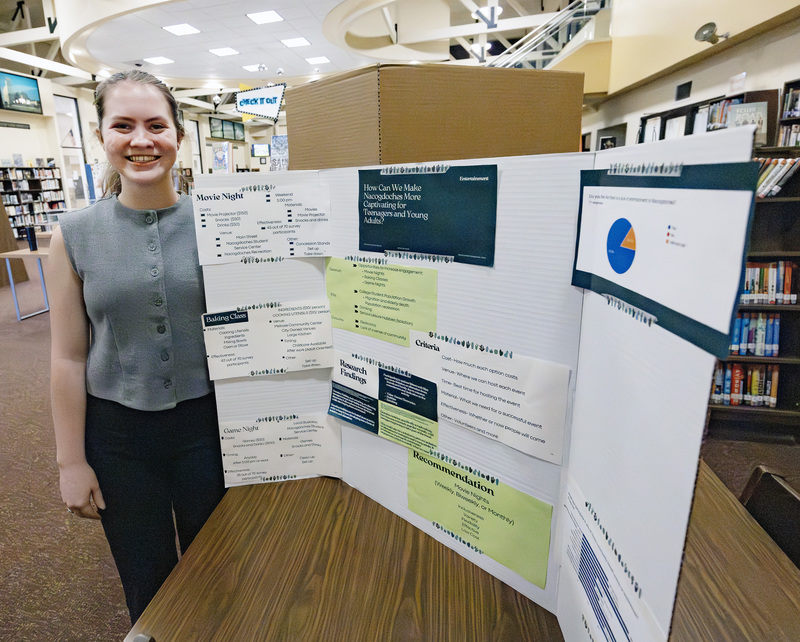
This report will be evaluating three different options to make Nacogdoches, Texas more captivating for young adults and teenagers. The first option would be to host monthly movie nights, where everyone is invited to a free movie night, and the community can come together and meet one another. The second option would be to host a baking class. At this baking class, we can make it open to the public, and it gives people the opportunity to meet one another and bond over their hobbies and interests. The last option would be to host a weekly or monthly game night. We can bring snacks and allow everyone to eat them while playing games and meeting people in their community. People often participate in different activities in order to fit in with other people; it gives them a sense of social acceptance and identity, as well as a sense of meaning (Maloney), so people may participate in events if they see their friends participating in them.
Improving the student attendance and school spirit at athletic events – Maddie Gayden
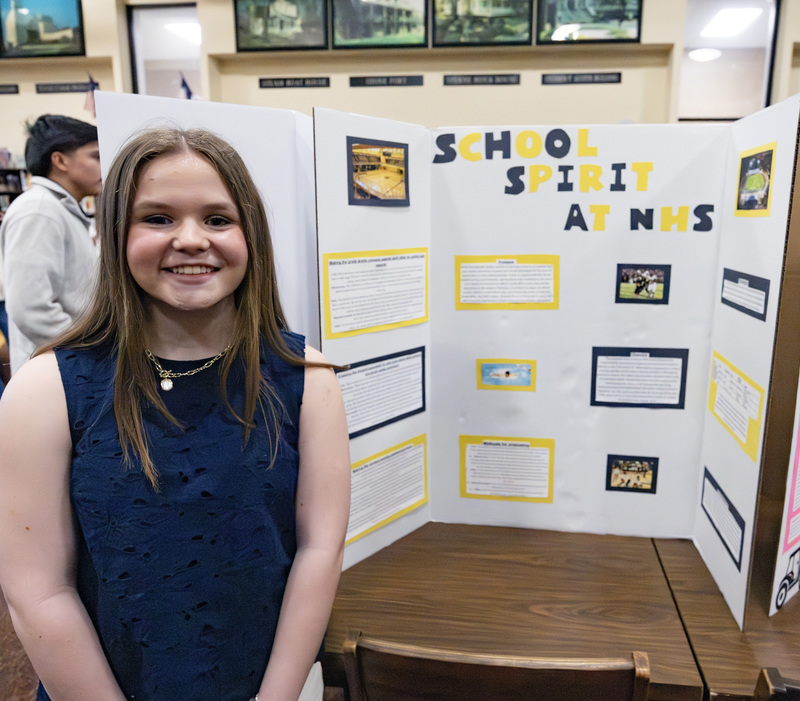
This report evaluates multiple options for improving student attendance at Nacogdoches High School athletic events and increasing overall school spirit. Currently, the number of students who turn out at games for all sports is low, which negatively impacts athlete morale, school unity, and campus culture. As head water polo coach Derek Theiss explains, “there is a lack of buy-in from the student body, and school spirit is at an all-time low,” making it difficult to build consistent support for athletic programs.
This is not unique to NHS. Research shows that attendance often depends on factors such as awareness and interest, with one source explaining that “low attendance can result from students simply not being engaged or informed about events” (Ligsay). Additionally, efforts to improve attendance must focus on creating excitement and involvement, as schools that actively promote events and encourage participation tend to see stronger student turnout (PlayOn Sports).
The report evaluates three possible solutions: creating a grade-level competition system with rewards, improving the student section experience, and increasing social media promotion of athletic events. The goal is to determine the most efficient and impactful way to improve student involvement and school spirit at NHS.
Facilitating Academic Success for Working Students – Aleksa Gonzalez
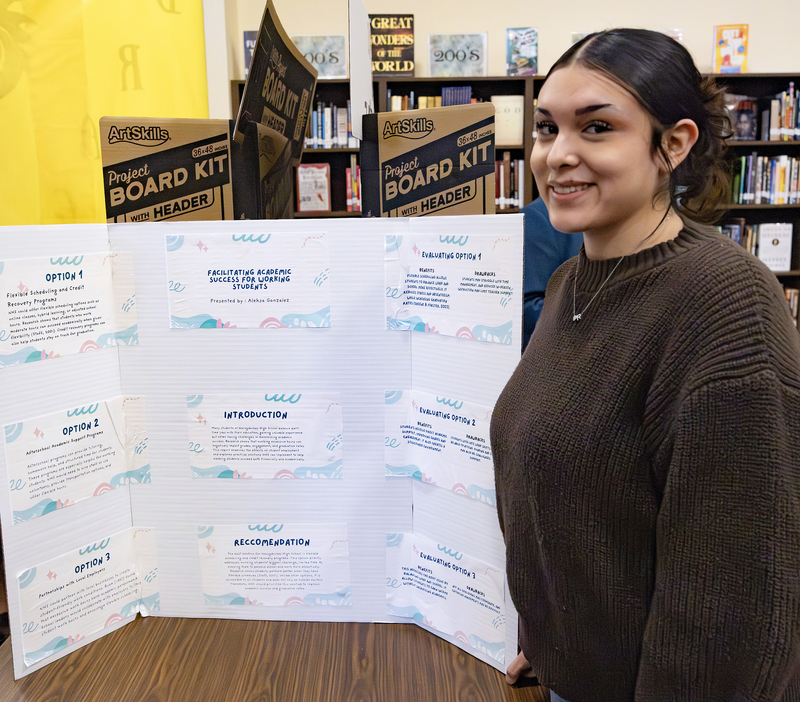
Many students at Nacogdoches High School (NHS) work part-time jobs to help support themselves or their families. While employment can provide valuable life skills and financial stability, it often creates challenges for students trying to maintain academic success. Research shows that students who work excessive hours are more likely to experience lower grades, reduced engagement, and a higher risk of not graduating (Ruhm, 1997; Staff, 2001).
This issue is important because academic success directly impacts graduation rates and future opportunities. Greene and Forster (2003) emphasize that improving graduation outcomes requires addressing barriers that prevent students from fully engaging in school. Additionally, students from lower-income families may face greater pressure to work, which can further widen achievement gaps (Davis-Kean, 2005).
The purpose of this report is to evaluate potential solutions that NHS can implement to better support working students. These solutions aim to help students balance their financial responsibilities while maintaining strong academic performance. By examining multiple options, this report identifies the most effective strategy for addressing the needs of working students at NHS.
Bringing More Attention to the Fine Arts at Nacogdoches High School – Pepper Hill
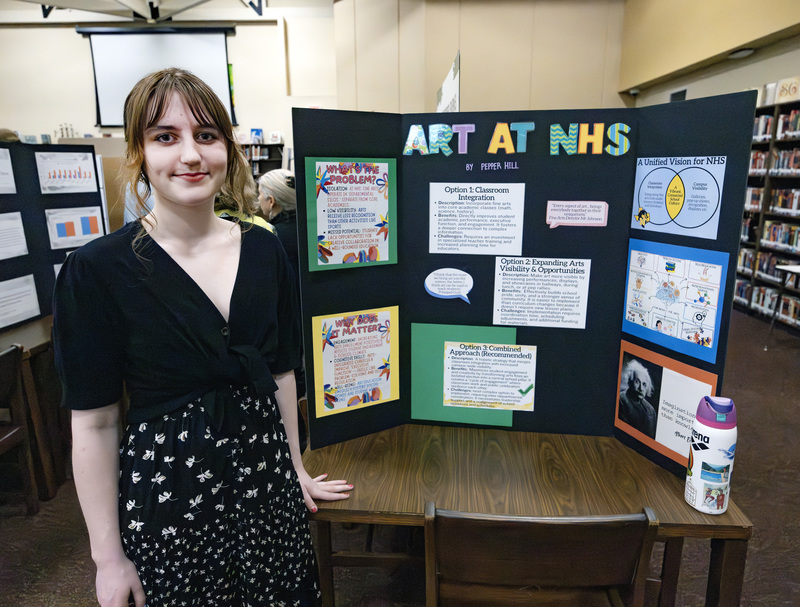
Fine arts programs at Nacogdoches High School currently play a limited role in campus culture, often remaining separate from core academic classes and receiving less recognition than other activities. This separation reduces opportunities for students to engage creatively, collaborate with peers, and fully participate in a well-rounded education. In the article, “Investigating Arts education effects on school engagement and climate,” Daniel Bowen states, “We find that increases in a school’s proportion of students taking arts courses positively affects students’ school engagement and climate as reflected in their own assessments of their learning engagement and in their ratings of teachers’ engagement” (Bowen).
This research shows that arts education improves academic achievement, student engagement, and school climate, yet these benefits are not fully realized due to the lack of integration and visibility.
Because of the significant impacts that art has on learning and school culture, action must be taken to better incorporate the arts into everyday school experiences. This report proposes a combined approach that integrates art into core curriculum while also increasing displays, performances, and other opportunities across campus to make fine arts a more visible and valued part of school culture.
Where Did All the Nurses Go? How Nacogdoches Can Fix Its Healthcare Worker Shortage – Sophie McClendon
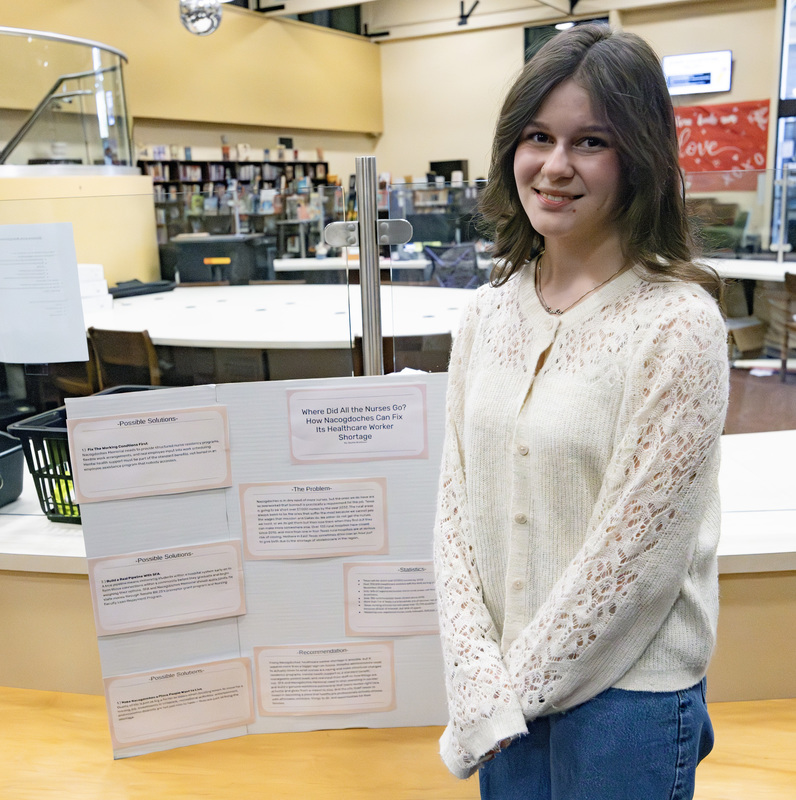
Nacogdoches faces a significant challenge: a shortage of health care workers in the area. Nurses are burnt out and leaving, nursing programs can’t accept all of the applicants they have, and rural areas are losing more and more of these workers to larger cities. This paper will look at why this is happening by looking at research on the topic, as well as speaking to two different nurses: Bonnie Vermeulen, a former LVN at Nacogdoches Memorial Hospital who has since retired from nursing to teach, and Megan Bowan, a pediatric nurse at Texas Children’s Hospital in Houston. What these two nurses have to say confirms the research: it’s not going to take more money to fix this problem. It’s going to take better working conditions, more nursing programs through SFA, and making Nacogdoches a place nurses actually want to stay in.
Identifying and Dealing with Food Deserts in Nacogdoches – Audrey McDermott
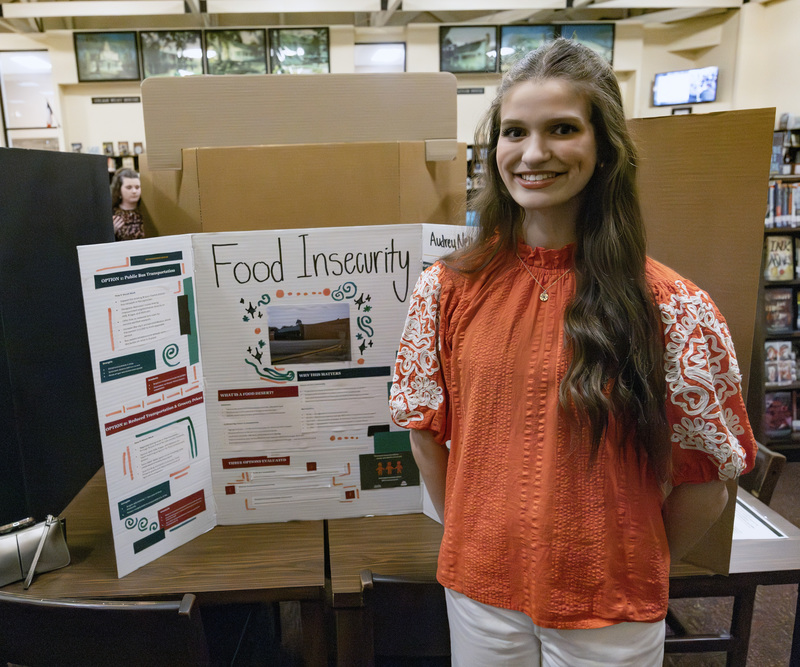
This report is to write about the food deserts that are actively happening within the town of Nacogdoches. These conditions consistently restrict access to affordable and nutritious food from grocery stores and cause long-term health complications and food insecurity.
I will recommend that the Nacogdoches school board look at these issues and draft multiple transportation ideas to combat the high amount of food insecurity. There is a direct need for this report as food deserts impact the food security of a city as a whole, and proper nutrition is key to making a successful community. I recommend setting up multiple solutions with precedence towards walking, biking, and busing.
Protecting the Brick Streets of Nacogdoches – Grace McKinney
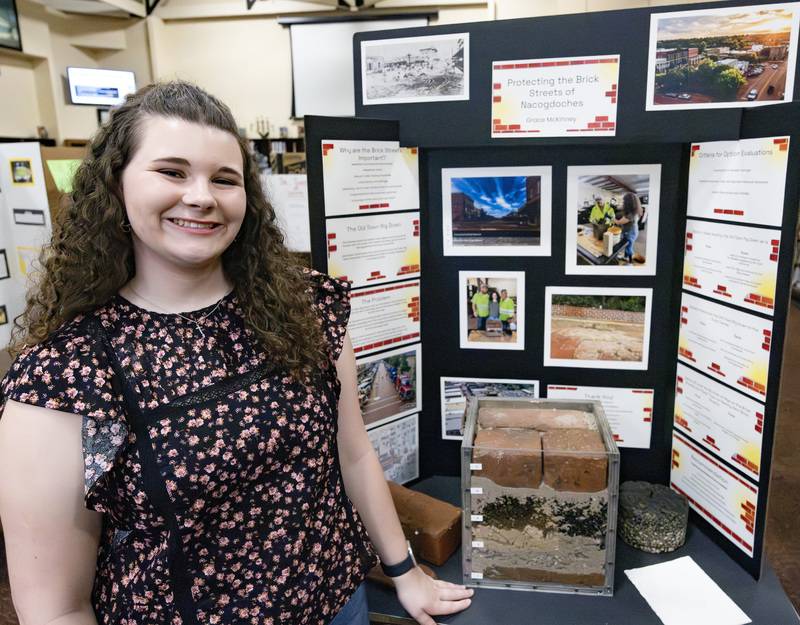
This report aims to provide solutions to help Nacogdoches continue hosting the annual Old Town Rig Down while protecting Downtown Nacogdoches’ iconic brick streets from 18-wheeler related damage. Downtown Nacogdoches’ brick streets are a unique marketing tool for the town and an invaluable piece of Nacogdoches’ history. Therefore, they are deserving of the best preservation methods available. The historic brick streets provide many other benefits, such as having longer durability than asphalt, providing an attractive, historic aesthetic to the surrounding businesses (The Planning Lady), and slowing traffic speed due to its rough surface (Nogueria, Xavier Rojas, et al).
The Old Town Rig Down has potential for damaging the brick streets since it involves stationing the “bobtails” (no loaded trailer attached, just the vehicle itself) of over one hundred rigs on the downtown brick streets and Festival Park. While the city is currently doing its best to minimize damage, there is still risk of damage due to the heavy weight and multitude of the showcased rigs. The brick streets are also exposed to the routine passing of loaded 18-wheelers despite a local ordinance. This exposure adds to the stress caused by the Old Town Rig Down on the brick streets.
Instead of keeping the event concentrated in the heart of central downtown and potentially damaging the brick streets, I recommend that the 18-wheelers partaking in the Old Town Rig Down spread out onto nearby, non-brick streets, such as Hospital Street, Lanana Street, N. Mound Street, and other streets surrounding the Old University Building (Hughes Street, parts of N. Fredonia Street, and Arnold Street), and for the downtown square and surrounding brick streets to act as a central hub for food and entertainment while still featuring a limited number of 18-wheelers. This way, the Old Town Rig Down can increase the visibility of more historic sites and downtown storefronts. This in turn will encourage visitors to discover more local historical markers, Victorian homes, statues, and sites.
Addressing Student Apathy At Nacogdoches High School – Za’Tayvious Miller
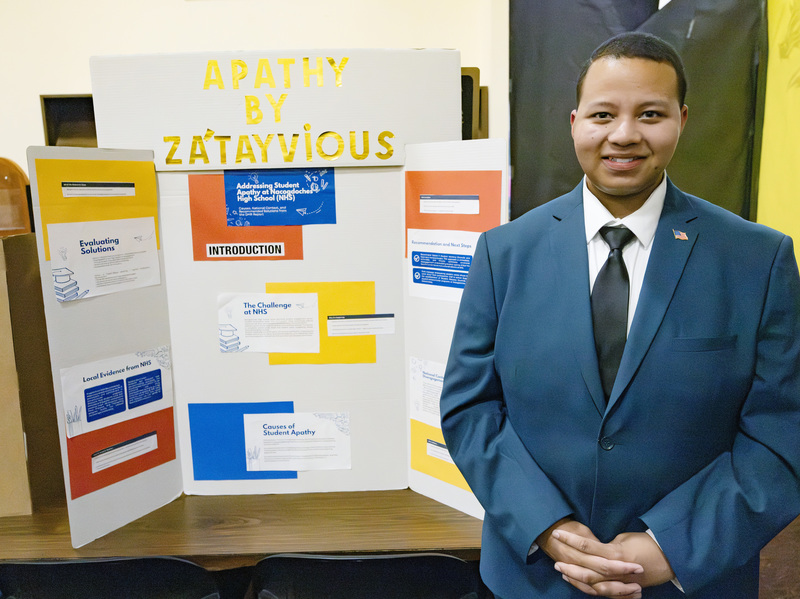
Student apathy at Nacogdoches High School (NHS) has become one of the most pressing challenges facing the campus community. In recent years, student clubs and organizations have experienced declining recruitment and participation, and faculty members across departments have observed a measurable increase in disengagement, passive classroom behavior, and diminished academic motivation among the student population. This is not a matter of individual laziness. It is a systemic issue with identifiable causes—and identifiable solutions.
Research confirms that this problem is widespread nationally. A 2025 Brookings Institution report drawing on survey data from over 65,000 students found that only 26 percent of tenth graders report loving school, while 65 percent of their parents believe they do (Winthrop et al.). That “disengagement gap” is not unique to NHS, but it is acutely visible here. Clubs and organizations that once operated at full capacity now struggle to maintain enough members to function. Students who once sought leadership roles are opting out. The energy that should define a high school campus—curiosity, involvement, ambition—is fading.
Academic research further establishes that apathy is not simply a student attitude problem. Meyers, Waring, and Castillo found that high school students themselves attribute apathy to “mediocre or uninspired teaching, outdated assessment methods,” and “an absence of perceived purpose in learning” (Meyers et al. 20). In other words, students are not checked out because they do not care—they are checked out because school, as currently structured, does not demonstrate that it cares about them.
This report evaluates three strategic options for reversing the trend of apathy at NHS: (1) the implementation of Student Advisory Councils paired with expanded extracurricular programming, (2) a school-wide shift toward Project-Based Learning supported by targeted teacher professional development, and (3) the introduction of financial incentives tied to academic performance, an idea informed by campus leadership that reframes school as a form of structured work. All three options are grounded in research and local context, addressing different dimensions of student disengagement.
Anti-drug and E-cigarette (Vape) Preventive Measures within Schools: Early Education and Drug Testing – Myah Morrill
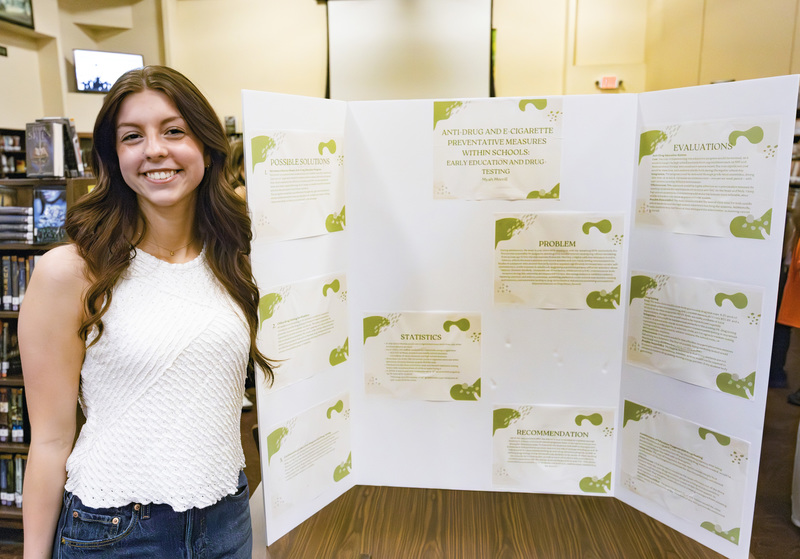
This report evaluates the common issue of the use of vapes/e-cigarettes to self-administer nicotine and THC (tetrahydrocannabinol). From a survey done by the CDC, it was found that in the United States, youth use e-cigarettes/vapes more than any other tobacco product. It was also found that as of 2024, 1.63 million students currently use e-cigarettes, with 410,000 of those students being middle school students and 1.21 million being high school students (Centers for Disease Control and Prevention). In 2024, Monitoring the Future’s national survey found that marijuana vape use in twelfth graders has surged by 10.1 percent from 2017 to 2023. This surge has increased the number of twelfth graders who vape to just under 20 percent in 2023 (Just Think Twice).
There are three possible ways to prevent and discourage students from participating in the action of smoking nicotine or THC. The three ideas that this report will compare include instilling an anti-drug educational program for middle school students, drug testing students, and a combined effort of both the educational program and drug testing. Although each option could benefit both students and staff, I recommend introducing a mix of an anti-drug educational program and actually performing drug tests on students. If done correctly, an educational program and drug tests can aid in lowering the number of students who smoke, as well as prevent the long term consequences of smoking as a teenager.
Why Nacogdoches High School should extend a 30‑minute lunch period during an eight‑hour school day – Colin Murphy
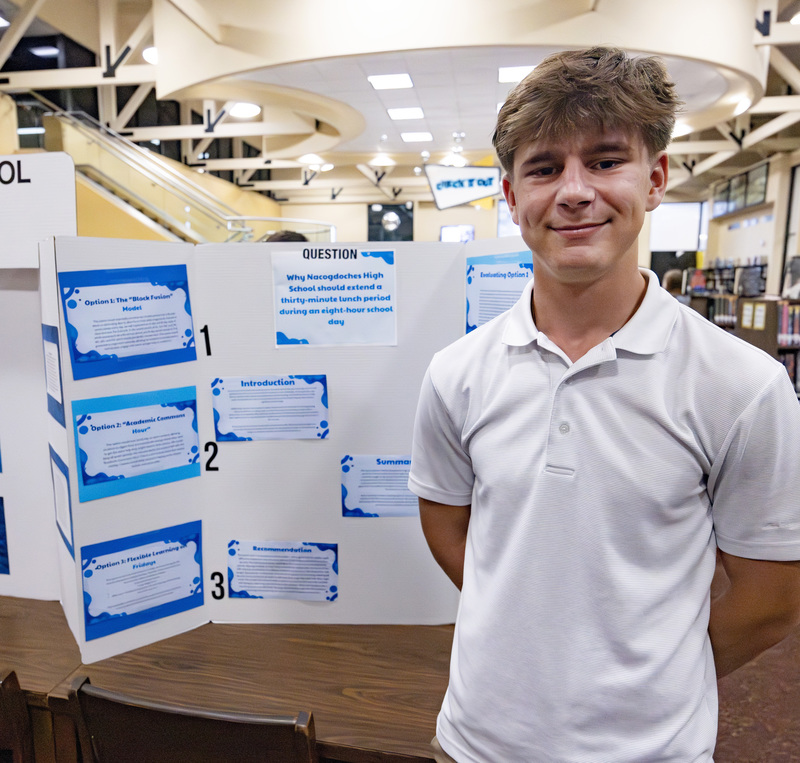
This report assesses whether Nacogdoches High School should extend its lunch period to a full hour within the current eight‑hour school day. Many students currently struggle to eat, recover, and effectively transition because of such a compressed lunch period. Research consistently shows that extended lunch time improves student focus, behavior, and academic performance. Kipton D. Smilie argues that “any additional time given to lunch would improve the overall experience for students on many levels.
After evaluating multiple scheduling options, I recommend extending the lunch period to a full thirty minutes for all students. This change would support student well‑being, reduce behavioral issues caused by rushing, allow for academic support, and create a more equitable school environment.
Developing a Winning Tradition at Nacogdoches High School: Fostering Individual Recognition – Dayanara Paez-Luna
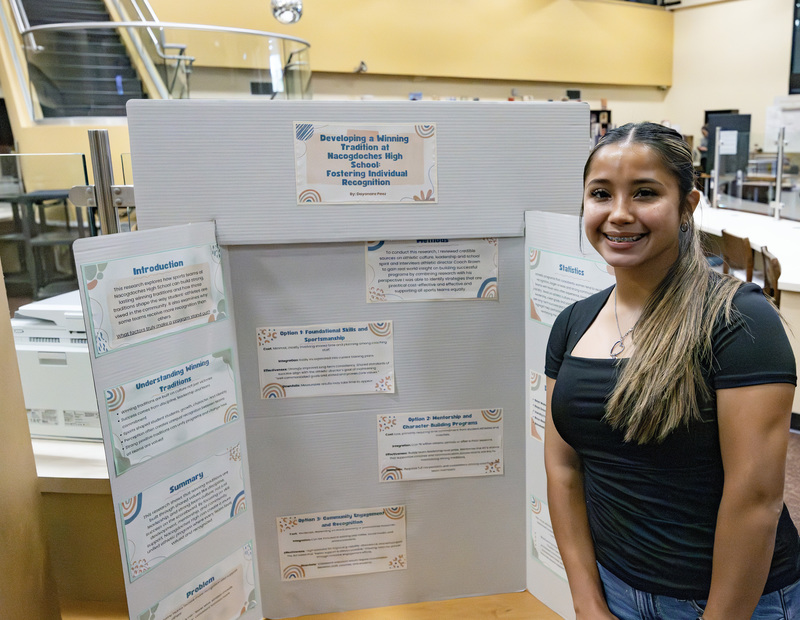 This research explores how the sports teams at Nacogdoches High School can build lasting winning traditions and how those traditions influence the way our community views student-athletes. At our school, not every team is seen equally. For instance, the girls' soccer team often struggles with its record and plays in front of smaller crowds, while other teams, like swimming, consistently win and receive more recognition from students and the community. This difference raises an important question: what truly makes one program stand out from another? Is it the coaches, the structure of the program, the dedication of the athletes, or the culture that exists within each team?
This research examines how Nacogdoches High can support all sports programs in creating their own version of a winning tradition. It focuses on three key approaches. The first involves building strong foundations in both skill development and sportsmanship. The second includes establishing mentorship opportunities and character-building programs that guide athletes beyond the field or court. The third centers on strengthening community engagement so that every team receives equal recognition and support.
Encouraging Healthy Food Choices at Secondary Level Schools – Daniel Perez
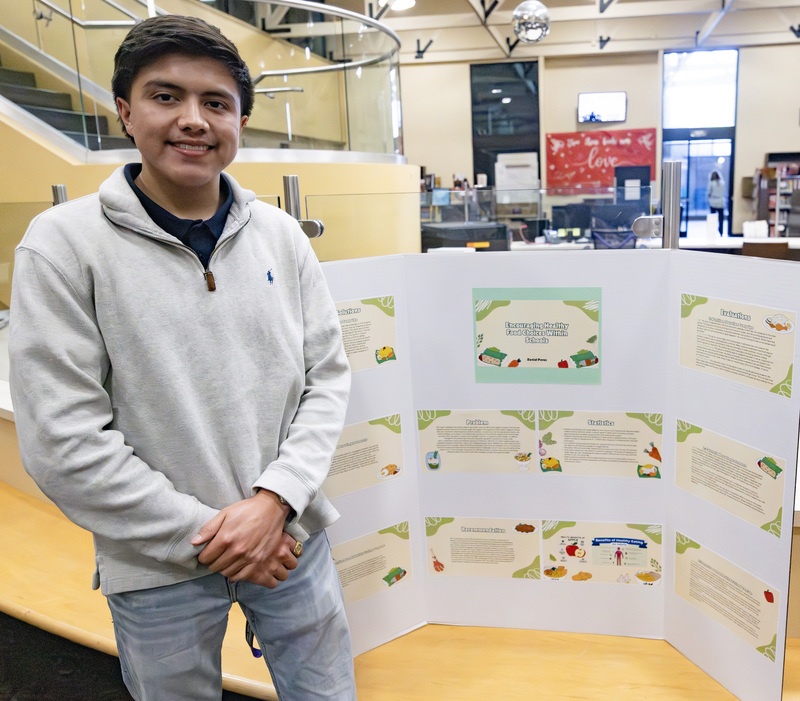
This report evaluates the common issue of secondary school students who regularly choose fast food and unhealthy snacks instead of nutritional meals that support the longevity of their health. Research shows that poor decisions in meals negatively affects students' concentration, mental and physical health, and overall academic performance. According to Ross, proper nutrition directly impacts brain function and learning, which can lead to a reduction in a student's ability to succeed in school (Ross). In addition, teenagers often choose fast food with unhealthy ingredients and less nutritional value due to convenience, tastes preferences, and social influences ( Watts et al.).
This problem needs to be addressed because schools play a major role in shaping student habits. Malnutrition, both undernutrition and overnutrition, can lower cognitive function and academic performance (Chaudhuri et al.). Furthermore, nutrition education has been proven to improve students’ knowledge and attitudes toward healthy eating (Sood et al.). If the secondary schools do not address this issue, students may continue developing unhealthy habits that affect both their academic success and long-term health.
I have three ideas for secondary schools to help encourage students to make better decisions when it comes to eating food. The three ideas in this report include improving nutrition education, modifying cafeteria options, and creating incentive-based programs. Based on research and local interviews, this report recommends implementing a structured nutrition education campaign combined with student engagement strategies to address the root causes of unhealthy eating behaviors.
Improving Phone and Video Regulations in Nacogdoches High School Women’s Locker Rooms – Madeline Richey
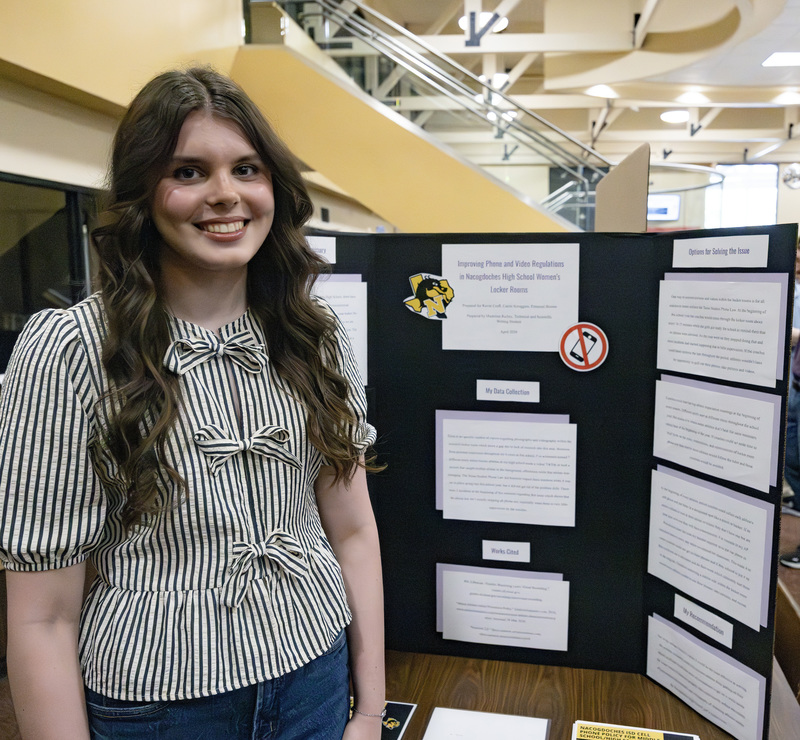
Over my time as a student-athlete at Nacogdoches High School, there have been multiple incidents regarding phone use and nonconsensual videography/ photography within the girls locker room. This issue makes the locker room an uncomfortable and unsafe place to change when we are hyperaware of tiktoks being filmed or pictures being taken in the mirror. The purpose of my report is to find ways to solve this issue and help create a safer and more private locker room environment for female athletes at Nacogdoches High School.
High School Peer Mentorship Program for Middle School Students – Kate Sanches
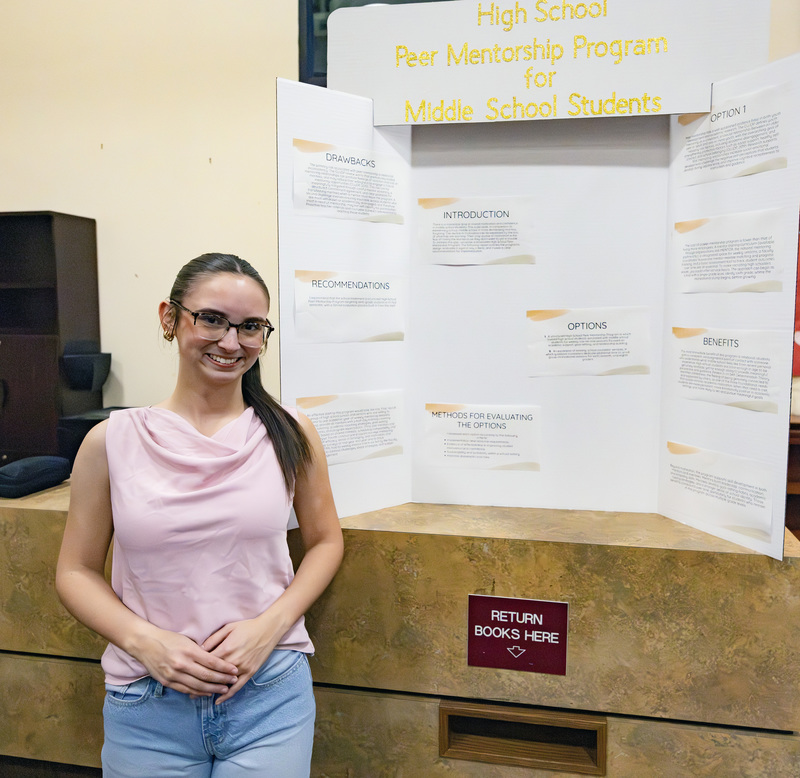
This report explores the need for a structured High School Peer Mentorship Program to address the clear decline in middle school students' mental health, and motivation. I have studied peer-reviewed research on the psychological causes of this decline, the effectiveness of school-based mentoring programs, and the specific benefits of near-peer mentorship relationships for early adolescents. I have also looked into how current school systems have limits that make it hard to give enough support to middle school students during this important time in their development.
I suggest that the school establish a peer mentorship program where skilled high school students are consistently paired up with sixth, seventh, and eighth graders on a weekly basis. This program uses a low-cost, scalable, and evidence-based strategy to directly address the motivational and confidence deficiencies that research indicates as trademarks of the middle school years.
Small Landowners and the Importance of Their Participation in Prescribed Burning – Hailey Shadow
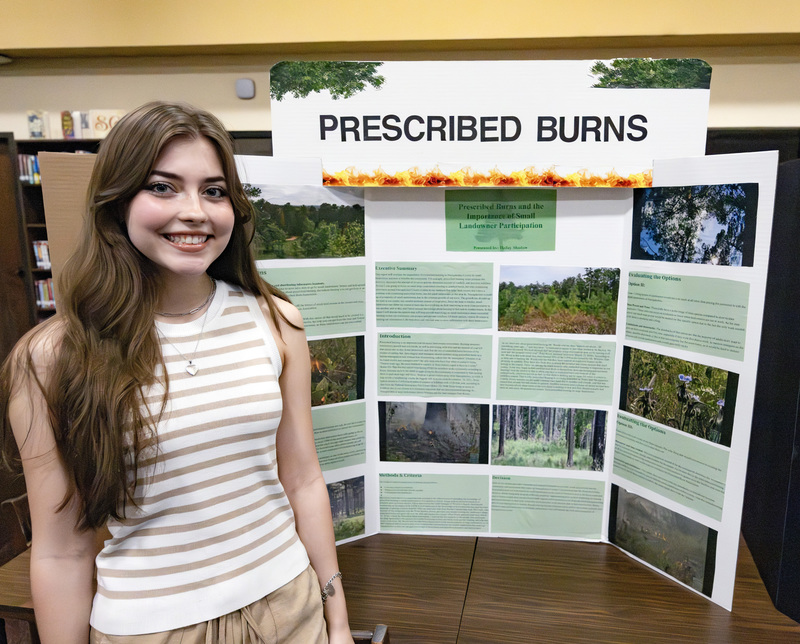
This report will evaluate the importance of prescribed burning in Nacogdoches County by small landowners and how it benefits the community. For example, prescribed burning helps promote bio diversity, decreases the amount of invasive species, decreases amount of roadkill, and prevents wildfires. At first I was going to focus on more large landowners needing to conduct burns, but after conducting interviews around Nacogdoches County it came to my attention that large land owners don’t have a problem with conducting prescribed burns, but the small landowners in the area do. Nacogdoches is made up of a majority of small landowners due to the constant growth of our town. The growth has divided up the land in our county into smaller portions instead of large plots. Since the land is smaller, small landowners are either too scared to burn due to everything on their land being in such close proximity to one another, and or they don’t have enough knowledge about burning to feel safe to conduct burns. In this report I will discuss the options that will help provide knowledge to small landowners about controlled burning so that our community can prosper and prevent wildfires. Of those options, Option III which is mailing out information is the best most cost efficient way to share information with these landowners.
Solving the storm drainage issue in Nacogdoches – Jack Sparks
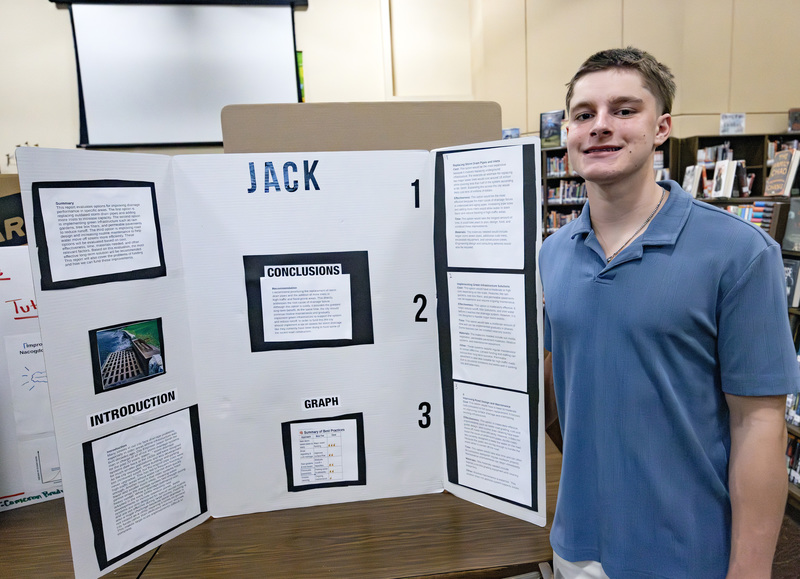
This report evaluates options for improving drainage performance in specific areas. The first option is replacing outdated storm drain pipes and adding more inlets to increase capacity. The second option is implementing green infrastructure such as rain gardens, tree box filters, and permeable pavements to reduce runoff. The third option is improving road design and increasing routine maintenance to help water move off streets more efficiently. These options will be evaluated based on cost, effectiveness, time, materials needed, and other relevant factors.
Based on this evaluation, the most effective long-term solution will be recommended. This report will also cover the problems of funding and how we can fund these improvements.
Expanding the City of Nacogdoches to Meet Youth’s Needs – Cassie Tieman

This proposal outlines a strategic approach to responsible business expansion in Nacogdoches County, with a focus on supporting youth and young adults while preserving the city’s small-town character. The report addresses key challenges, including a high poverty rate and limited opportunities for younger generations, which can impact both economic growth and community well-being. The proposal advocates for intentional growth that attracts businesses and resources, appealing to younger populations without compromising the identity of the community. Through research, interviews, and data analysis, the report emphasizes the importance of affordable and accessible opportunities that encourage positive youth engagement and reduce involvement in harmful activities. Ultimately, this proposal argues that investing in youth-focused, collaborative expansion efforts will strengthen the local economy, support families, and ensure long-term sustainability. Intentional growth today will help cultivate the future workforce, leadership, and overall vitality of Nacogdoches County.
The Need for Increased Agriculture Education at Nacogdoches High School – Hadyn Vardeman
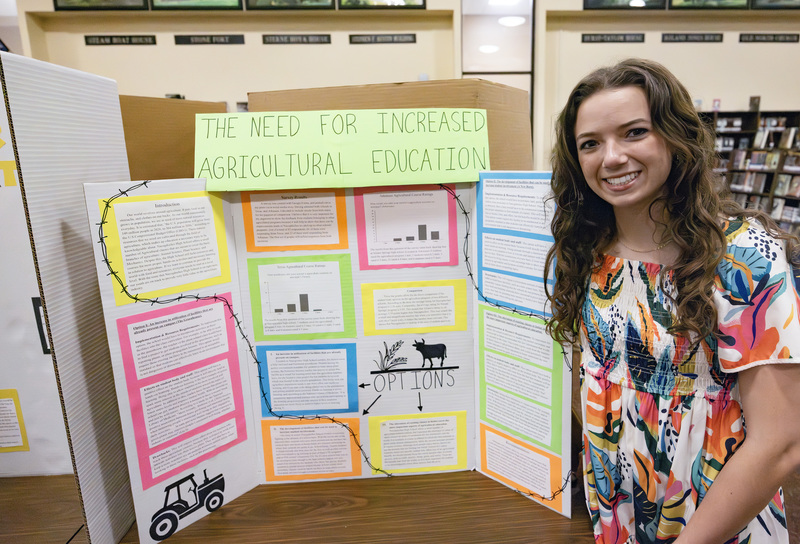
Our world revolves around agriculture. It puts food in our stomachs, and clothes on our backs. As our world continuously grows in population, we are in need of more natural resources everyday. It is estimated that, “the U.S. population will grow from 349 million people in 2026, to 364 million in 2056,” according to the U.S Congressional Budget Office (CBO 1). These natural resources that we need are cultivated through the field of agriculture, which makes ag education a necessary topic to be knowledgeable about. Nacogdoches High School offers a small number of Agricultural classes that are meant to cover the basic branches of agriculture: Animal Science, Plant Science, and Mechanics. Despite this, the High School still lacks resources and courses for more proper, hands-on activities and necessary learning in relation to agriculture. If we want to continue to provide the world with food and resources, everyone needs to start at a local level. With the route that Nacogdoches High School is on right now, our youth are on track to provide very little value to the agriculture industry.
Improving Pedestrian Traffic and Infrastructure in Nacogdoches – William Vermeulen
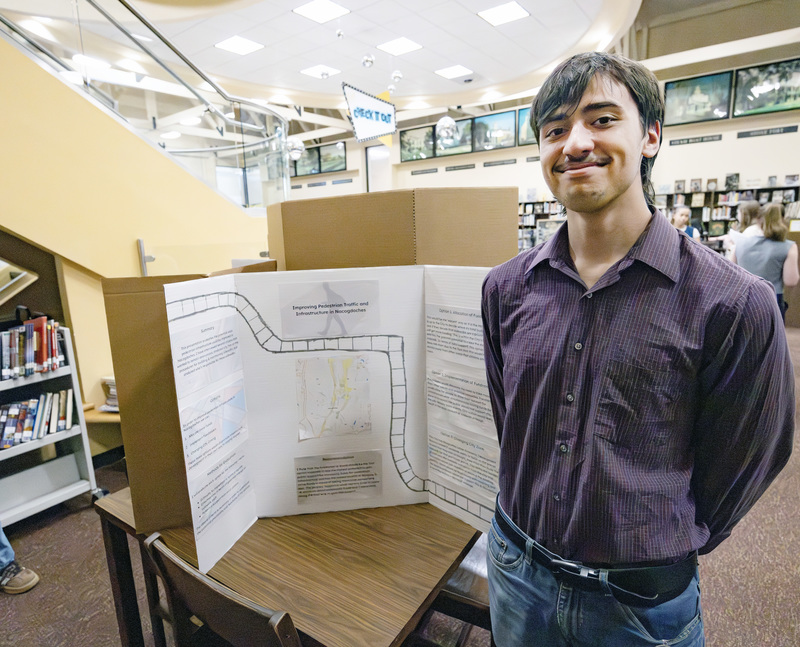
This report evaluates the potential ways the pedestrian infrastructure could be improved in Nacogdoches and how that would affect its citizens. I have interviewed several citizens that wanted to remain Anonymous, and analyzed city files on the procedures for building & maintaining sidewalks and who’s responsible for these sidewalks. I have taken into consideration the potential opinions of drivers and pedestrians as well as cyclists.
I recommend that more funding be allocated to the sidewalk fund and further fundraising efforts attempted. Sidewalks are a piece of infrastructure designed for pedestrians and cyclists although they also benefit drivers by reducing the amount of roadway where pedestrians must also occupy the road, thus reducing the potential harm for both drivers and pedestrians. Although, the solution that would have the highest chance of actually resolving change would be for the City or some organization to host an event that got the community involved.
Building a Reading Culture at NHS (and surrounding schools) – Devan N. Whitaker
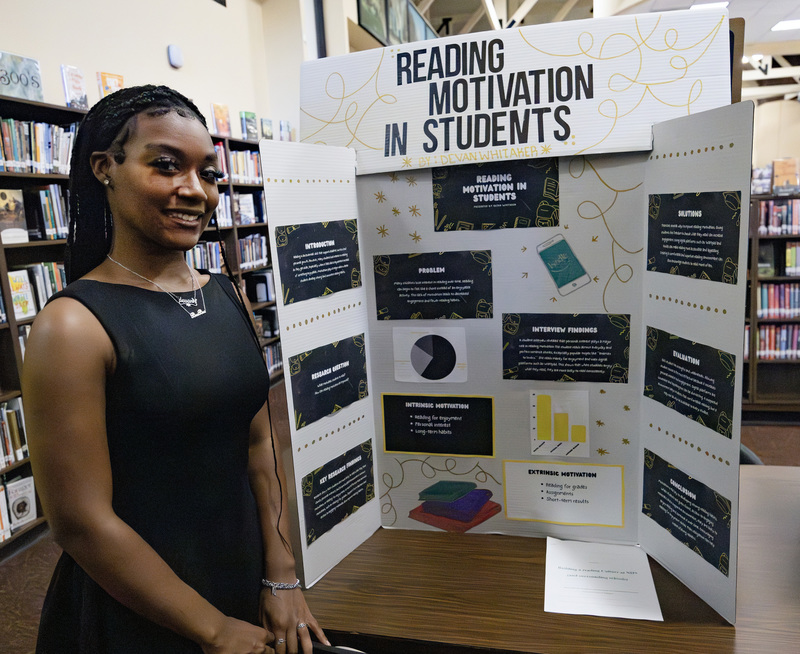
The sources and interviews used in this research focus on how motivation influences students’reading habits. Overall, they show that students are more likely to read when they have personal interest in the material, the freedom to choose what they read, and access to comfortable or convenient reading environments. The research highlights the difference between intrinsic motivation, such as reading for enjoyment, and extrinsic motivation, such as reading for grades or assignments. Additionally, both the sources and the student interview demonstrate that digital platforms and modern reading formats make reading more appealing and accessible to today’s students. Together, these ideas show that motivation plays a key role in developing consistent reading habits.
Furthermore, the sources suggest that reading is not just an academic skill but also a personal and social activity that can shape a student’s identity and interests. When students find content that relates to their lives or preferences, they are more likely to stay engaged and continue reading over time. The interview also supports this idea by showing how personal enjoyment and convenience can turn reading into a daily habit rather than a task. Overall, the research emphasizes that motivation, access, and personal connection all work together to influence how and why students read.